

How to Choose Games on Diwa Fun – Explore Game Types and Playing Styles
Wondering how to choose games on Diwa Fun that match your interests? A good starting point is understanding the different gaming formats, checking their rules and finding a playing style that feels comfortable. Some players enjoy the decisions involved in card games, while others prefer simple controls, visual gameplay or shorter sessions. Each format brings its own mechanics, pace and level of interaction. This guide explains how to explore game categories, compare important features and understand the information displayed before opening a title. You will also find practical advice for discovering new games, using a mobile lobby and selecting entertainment that suits your available time.
Getting Started With Game Selection on Diwa Fun
Choosing a game becomes easier when you know what to look for. A colourful thumbnail may attract attention, but the rules, controls and overall experience determine whether a title matches your interests.
The Diwa Fun game selection guide focuses on helping players move from browsing to understanding. Instead of opening several titles at once, begin with the available categories and learn what each format involves.
A typical gaming interface presents categories, individual game cards and navigation options. The exact layout and available titles depend on the current application.
What to Look for When Browsing Games
A useful game selection begins with a few simple questions. Think about the type of interaction you enjoy, how much time you have and whether the rules are familiar.
Consider these factors before opening a title:
- Game format: Identify whether the experience involves cards, visual symbols, puzzles, quick challenges or another type of gameplay.
- Basic rules: Understand the objective and the actions required to complete a round.
- Playing pace: Consider whether the game moves through short rounds or involves longer decisions.
- Controls: Review how selections, confirmations and other actions work.
- Session requirements: Check the relevant conditions and information displayed with the game.
- Personal preferences: Choose an experience that matches your interests and available time.
These factors give players a more useful basis for comparison than appearance alone.
Understanding the Game Lobby
The game lobby is the starting point for exploring available titles. It may organise content into categories, featured areas or individual game cards.
Players can review the current categories and open a game's information screen to learn more about its rules.
For visitors researching how to choose games on Diwa Fun, the lobby is the natural place to compare titles and understand the range of experiences presented.
Take time to read category labels and explore the information attached to each game. A familiar title can still have its own controls or rules, making the individual game description important.

Explore Different Game Categories and Their Gameplay
Different gaming formats create different experiences. Some focus on strategy and decisions, others emphasise visual interaction, timing or simple controls.
Learning the general mechanics makes it easier to recognise which format appeals to you.
The following categories describe familiar styles of mobile gaming. Their inclusion here explains how the formats work; the current game lobby determines which titles are available on the platform.
Card Games and Decision-Based Gameplay
Card games often involve a combination of rules, turn-taking and decisions. Depending on the format, players may need to recognise card values, create valid combinations or respond to changing situations.
Rummy-style games, for example, commonly involve arranging cards into sequences and sets. Other card formats use different objectives and scoring rules.
Players who enjoy learning patterns, following turns and understanding valid moves may find card-based formats interesting.
Before opening a card game, review the instructions for the specific title. Pay attention to how a round begins, which combinations are permitted and how the final result is determined.
The first step is identifying the objective. A card game may require completing a valid arrangement, reaching a score or making a particular decision during a turn.
Next, learn the meaning of the cards and the available actions.
Some games use standard decks, while others use specialised cards or different combinations.
Understanding these details helps players follow the sequence of a round and recognise when an action is complete.
Reel and Symbol-Based Games
Reel-style games use visual symbols arranged across a screen. The player interacts with controls that initiate a round, while the game's rules determine how results are evaluated.
Different titles may use distinct reel arrangements, symbol combinations or visual features.
The Diwa Fun game categories guide encourages players to review the information presented for each title rather than assuming similar graphics mean identical mechanics.
For this format, useful information includes the available controls, symbol explanations and the method used to display outcomes.
Arcade and Quick-Play Formats
Arcade-style games often centre on timing, movement, observation or simple interactions. Their controls may be easy to recognise, although each title can introduce its own challenges.
Quick-play games usually provide shorter activities, making it convenient to explore an individual round.
The pace of a game is only one factor in choosing it. Understanding its objective and available actions remains important.
Players who enjoy direct interaction may prefer a format with clear visual feedback, while those interested in longer decisions may prefer a different category.
Puzzle and Casual Games
Puzzle games can involve matching objects, recognising patterns, arranging items or solving a defined challenge.
Casual formats often focus on accessibility and straightforward controls.
A puzzle may begin with simple objectives and introduce additional mechanics as the activity progresses.
Players interested in learning at their own pace can review a game's instructions and explore its available levels or challenges.
The actual features depend on the title being played.
Compare Games by Pace, Rules and Interaction
Two games can appear equally interesting while providing very different experiences. One may rely on several decisions per round, while another uses a single control followed by a displayed result.
The Diwa Fun game comparison approach helps visitors evaluate these differences.
Game Format
Typical Interaction
Main Focus
What to Review First
Card games
Turns, card selection and combinations
Rules and decisions
Valid actions and scoring
Reel games
Spin controls and visual symbols
Round mechanics
Symbols and result rules
Arcade games
Timing and direct controls
Interaction and response
Movement and objectives
Puzzle games
Matching and problem-solving
Patterns and challenges
Completion conditions
Quick games
Short rounds and simple selections
Fast interaction
Round rules and pace
This table provides an overview of common formats rather than a fixed catalogue of the platform.
The most suitable choice depends on the type of interaction you enjoy.
Choosing Between Short and Longer Sessions
Available time plays a practical role in game selection.
A person who wants to explore a single short activity may prefer a game with quick rounds and simple instructions. Someone interested in learning detailed rules may choose a slower format that allows more time for decisions.
Consider how easily a session can be paused or ended.
Some games involve independent rounds, while others follow a sequence that requires more attention.
Our Diwa Fun mobile games guide recommends reviewing the session structure before beginning, especially when you are learning a new format.
Choosing Games by Familiarity
Familiarity can also influence the experience.
A player who already understands card combinations may feel comfortable learning another card format. Someone who enjoys matching puzzles may prefer exploring games with visual problem-solving.
Trying a new format involves learning its controls and terminology.
Reading the game instructions first creates a smoother introduction and helps avoid confusion during the opening round.
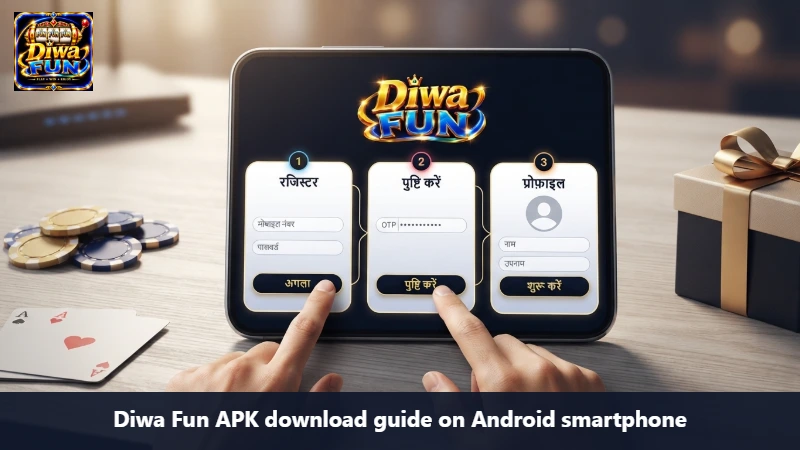
How to Choose Games on Diwa Fun Step by Step
A structured approach makes game discovery more comfortable, particularly when the lobby contains several categories.
The following process helps users move through game information in a logical order.
Step 1: Open the Game Categories
Begin in the main gaming area and review the available category labels.
These labels help identify the general purpose of different sections.
Browse the categories and select one that matches your preferred gameplay format.
Step 2: Review Individual Game Information
Choose a title and open its available description or instruction panel.
Look for the objective, controls, round structure and result conditions.
This information provides the foundation for understanding how the title operates.
Step 3: Compare the Playing Experience
Consider whether the game involves quick interaction, detailed decisions or more extended activity.
Review the level of familiarity required and how the game communicates its results.
The Diwa Fun game choosing guide encourages comparisons based on rules and experience rather than promotional labels.
Step 4: Learn the Controls
Before beginning a session, familiarise yourself with the important controls.
Depending on the format, these may include selection buttons, menu controls, action confirmations or ways to return to the lobby.
Understanding navigation helps players remain comfortable as they explore a new title.
Step 5: Review the Available Options
Some games may provide settings, instructions, sound controls or other options.
Check the functions associated with the current game and adjust available preferences according to your needs.
For games that offer a practice or tutorial mode, these features can help explain the mechanics before regular participation.
Step 6: Start With a Familiar Format
A familiar format can provide a useful starting point for exploring the current catalogue.
After understanding one title, players can compare additional categories and discover other experiences at a comfortable pace.
The approach described in how to choose games on Diwa Fun gives users a repeatable method for exploring new titles as they become available.
Understanding Game Rules Before Playing
Clear instructions help players know which actions are possible and how a game progresses.
Different titles may present their rules through a help button, tutorial, information panel or dedicated instruction screen.
The location of these options depends on the actual interface.
Reading the Main Objective
The game's objective explains what the player is trying to accomplish.
For a card game, this may involve forming combinations or following a scoring system. For a puzzle, it may involve completing a pattern or solving a challenge.
Understanding the objective gives context to the available controls.
Learning How Rounds Work
A round usually follows a particular sequence.
Some games require multiple actions before the result is displayed. Others use a short sequence that begins with a single interaction.
Read how the round starts, what happens during play and how completion is indicated.
This helps distinguish an active session from a completed result.
Understanding Result Information
Game outcomes may be communicated through scores, symbols, completed objectives or other visual indicators.
The meaning of these results should come from the game's instructions.
In formats involving random outcomes, earlier results do not establish what will happen next.
A Diwa Fun beginner game guide should prioritise understanding the actual mechanics and interpreting results accurately.
Mobile Controls and Game Navigation
A mobile gaming interface has less available space than a desktop screen, so menus, buttons and information panels need to be easy to understand.
Players can improve their experience by becoming familiar with the layout before opening unfamiliar titles.
Navigating Between Categories
A common mobile navigation pattern uses a main lobby, category sections and individual game screens.
The actual arrangement depends on the application.
Look for controls that return to the previous screen or main menu. Understanding these navigation options makes it easier to explore multiple categories without losing track of where you are.
Reading Instructions on a Small Screen
Game instructions may appear in panels or overlays.
For longer descriptions, read the complete information before confirming an action. Small screens can hide additional content below the visible area.
Landscape orientation may also change how controls and instructions are presented in some games.
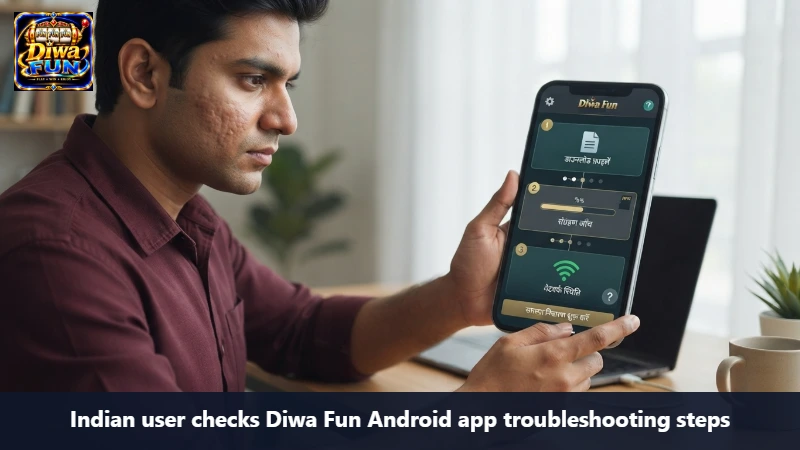
Connection and Loading Considerations
A stable connection helps maintain a consistent experience when using online gaming features.
Switching between Wi-Fi and mobile data can interrupt a session or cause an application to reload.
If the game screen appears incomplete, review the connection and return to the relevant information page when appropriate.
The Diwa Fun mobile game selection process becomes easier when navigation and loading behaviour are familiar.
Helpful Tips for Exploring New Games
Game selection can remain enjoyable when the process is organised around personal interests.
Rather than treating every title as something to complete, visitors can explore one category at a time and learn the mechanics that make each game different.
A practical approach includes the following habits:
- Start with the rules: Understand the game before exploring advanced features.
- Compare similar formats: Review how games within the same category differ.
- Use available tutorials: Learn through legitimate practice options where provided.
- Review session structure: Choose activities that fit your available time.
- Explore the game catalogue: Return to the categories when you want to discover another format.
- Maintain your preferences: Use available settings to make the interface more comfortable.
These habits keep the focus on entertainment and informed selection.
Creating Your Own Game Preferences
Over time, players may discover that they enjoy particular interaction styles.
Some prefer decision-based games, while others favour puzzles or fast visual feedback.
Consider which mechanics feel most intuitive and which types of activity match your interests.
Keeping these preferences in mind makes future game selection quicker and more personal.
Exploring Newly Listed Games
Newly displayed titles can attract attention through their artwork or placement in the lobby.
A featured label may indicate that a game is being highlighted, while its rules explain the actual experience.
The Diwa Fun game discovery guide recommends reviewing the same essential information for new titles as for familiar ones: objective, controls, rules and conditions.
A consistent selection method helps players compare games fairly, even when their visual styles are different.
Frequently Asked Questions
Start by exploring the available categories, then review each game's rules, controls and session structure. Compare the formats and choose an experience that matches your interests.
A familiar format with clear instructions can be a useful starting point. Puzzle, casual and straightforward card formats may offer different learning experiences depending on the title.
Open the game's instruction or information section and review the objective, controls and result conditions. Use a tutorial or practice feature where one is provided.
Game navigation depends on the current interface. Look for the main lobby or category controls to explore the available sections.
Review the game description, basic rules, available controls, session structure and relevant participation conditions.
Conclusion
Learning how to choose games on Diwa Fun begins with understanding the available categories and the experience each format offers. Card games, reel-style activities, puzzles and quick games can differ in their controls, rules and pace, making a little preparation valuable. Explore the current catalogue, compare the mechanics and select titles that match your preferences and available time. The Diwa Fun game selection guide provides a practical starting point for discovering new formats, understanding gameplay and making every browsing session more organised and enjoyable.
18+ Safety Notice
Adults 18+ only. Open Diwa Fun only where that lobby is lawful.